Can a celebrant conduct legal weddings in Ireland?
The short answer is: yes, provided the celebrant meets certain legal requirements and is registered as a solemniser.
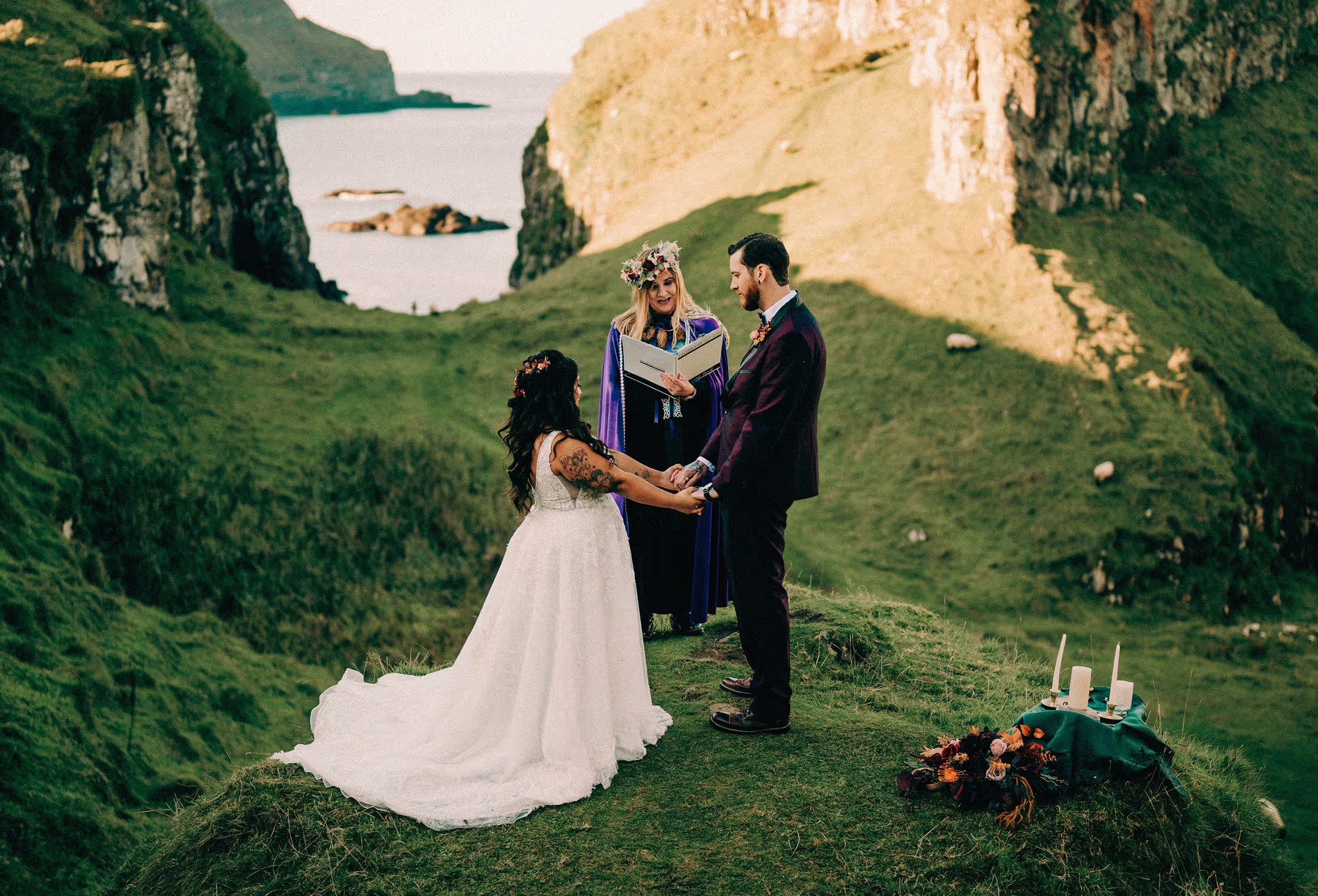
The world of wedding ceremonies is evolving rapidly, and more couples are opting for non-traditional celebrations than ever before. Celebrants have become increasingly popular due to their ability to personalise wedding ceremonies.
This article will go into detail about the legal side of being a celebrant.
Understanding the Role of a Celebrant in Ireland
Celebrants vs. Solemnisers: Clarifying the Distinction
A celebrant is someone who conducts ceremonies such as weddings, vow renewals, funerals, and naming ceremonies. However, not all celebrants can legally solemnise a marriage. This distinction is crucial to understanding the role a celebrant plays in Ireland's wedding landscape.
Celebrant: An individual who conducts personalised ceremonies but may not have the legal authority to solemnise a wedding.
Solemniser: An individual authorised by the state to conduct legally binding wedding ceremonies.
The Importance of Legally Recognised Solemnisers
In Ireland, a marriage is only legally recognised if the ceremony is conducted by a registered solemniser. Solemnisers can be:
Religious Solemnisers: Authorised by their religious denomination. (This will be you once you graduate our online course)
Civil Registrars: Employed by the Health Service Executive (HSE).
Secular Solemnisers: Affiliated with secular or humanist bodies.
This framework ensures that weddings meet the legal requirements outlined in Irish law. Therefore, celebrants who wish to conduct legal weddings must seek registration as solemnisers through a recognised body like FuturFaith Ministry.
Irish Marriage Law: The Legal Framework
The Marriage Act 2004
The Marriage Act 2004 governs marriages in Ireland, laying out the requirements for legal recognition:
Three-Month Notice: Couples must give three months' notice to the Registrar of their intention to marry.
Declaration of No Impediment: Couples must sign a statutory declaration stating there is no legal impediment to their marriage.
Registered Solemniser: The ceremony must be conducted by a registered solemniser.
Venue Approval: Weddings must take place at approved venues, either indoor or outdoor.
Other Relevant Legislation
Marriage Act 2015: Legalised same-sex marriage and expanded the definition of recognised bodies.
Civil Registration Act 2004: Established the Civil Registration Service and clarified registration requirements for solemnisers.
The Role of the Solemniser
A solemniser ensures the ceremony complies with legal requirements by:
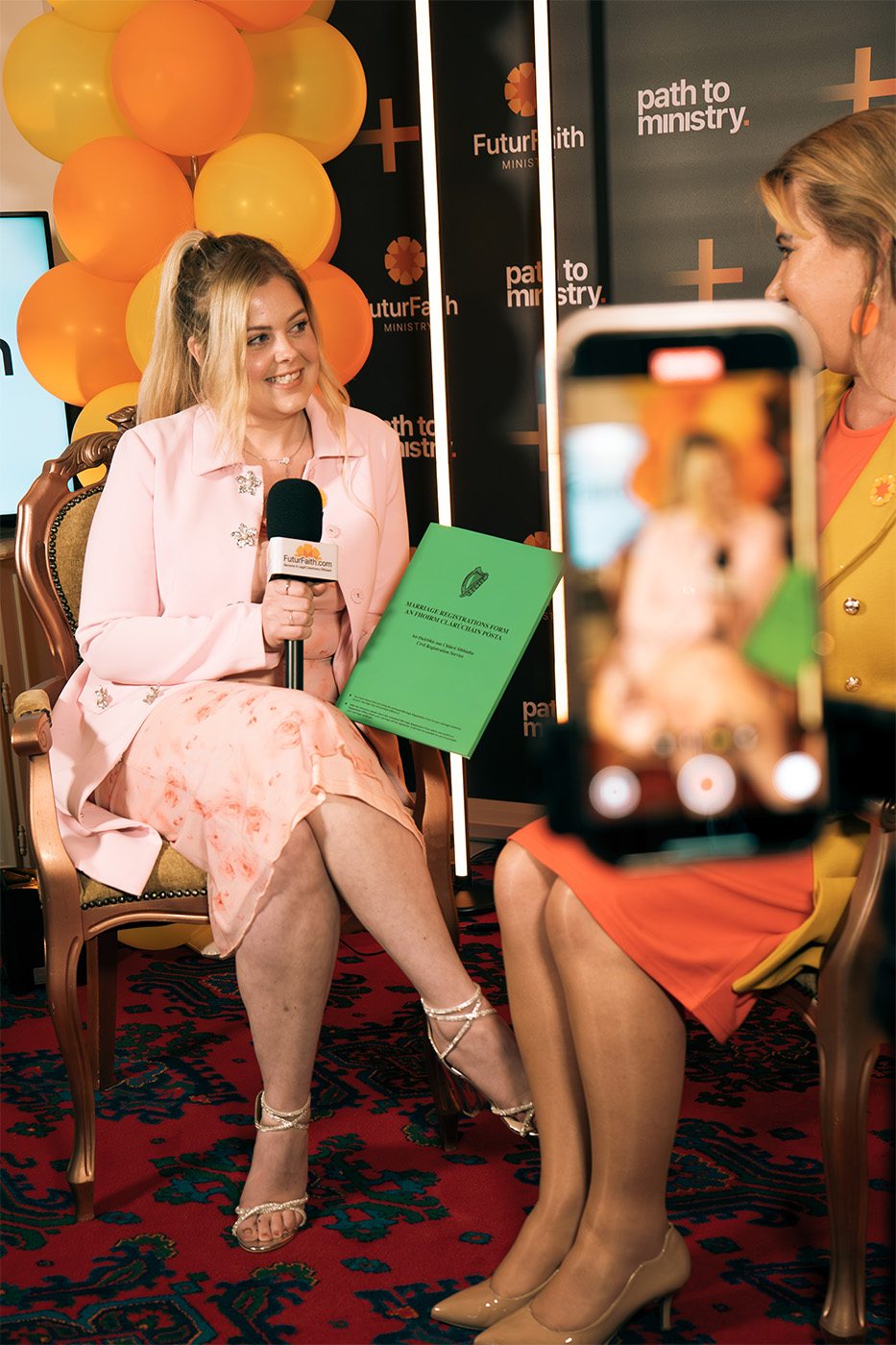
Ensuring all legal documents, such as the Marriage Registration Form (MRF), have all the correct details and are signed correctly.
Conducting the ceremony following the guidelines.
Becoming a Registered Solemniser
Becoming a solemniser in Ireland is a process marked by stringent requirements and careful vetting, ensuring that each solemniser can uphold the legal and ceremonial standards of marriage.
Read our free lesson (click here) to find out more about the basic requirements for becoming a solemniser in Ireland.
The FuturFaith Ministry Difference
About FuturFaith Ministry
FuturFaith Ministry is an approved and recognised body offering training to deliver all of life's ceremonies, including in-depth guidance on conducting legal wedding ceremonies in Ireland and Northern Ireland.
Unlike many other 'celebrant' training programmes that focus solely on non-legal ceremonies, FuturFaith Ministry’s 'Path to Ministry' course is designed specifically to prepare newcomers and existing celebrants to become registered solemnisers.
Why Choose FuturFaith Ministry?
Approve & Recognised Training: Successfully graduating our course gives students the opportunity to be nominated to the Register of Solemnisers, which would allow them to legally officiate weddings in Ireland.
Comprehensive Curriculum: Covers every aspect of solemnising weddings, from legal requirements to customising ceremonies. We even dive deep into business set-up, branding, marketing and much more.
Expert Instructors: Learn from experienced solemnisers who understand the nuances of Irish marriage laws.
Stand-out features of the 'Path to Ministry' Course
Legal Focus: Students gain an in-depth understanding of the legalities involved in solemnising weddings on the entire island of Ireland.
Flexible Learning: Online modules with video lessons allow students to learn at their own pace.
Recognised Qualification: Graduates receive a certificate and can be nominated to enter the Register of Solemnisers, thus allowing them to conduct legal weddings in Ireland.
Demand for Legal Wedding Celebrants in Ireland
The Growing Popularity of Celebrant-Led Weddings
Customisation: Couples increasingly want weddings that reflect their unique love stories.
Unique Venues: Demand for weddings at non-traditional venues, both indoor and outdoor.
Why Couples Prefer Solemnisers Over Civil Registrars
Personalisation: Solemnisers offer personalised ceremonies tailored to the couple's values.
Customised Elements: Ability to include symbolic rituals like Handfasting or wedding ring warming/blessing.
FAQs About Becoming a Legal Wedding Celebrant in Ireland
Can a Non-Legal Celebrant Become a Solemniser?
Yes, non-legal celebrants can become registered solemnisers by joining a recognised body and completing a training programme like FuturFaith Ministry’s 'Path to Ministry.'
How Long Does It Take to Become a Registered Solemniser?
The process varies depending on the training programme. The 'Path to Ministry' course is self-paced and typically takes between 40 to 50 hours to complete.
Do I Need to Be Religious to Join FuturFaith Ministry?
No, FuturFaith Ministry welcomes people from all backgrounds. Our training is inclusive and open to anyone passionate about officiating weddings.
What Support Does FuturFaith Ministry Offer After Course Completion?
Graduates receive ongoing mentorship and support, a certificate of completion and the opportunity to be entered into the Register of Solemnisers (if they wish).
We also give successful graduates the chance to join our Futur+ community, which comes with an array of benefits, such as continuous support as a FuturFaith Minister, and ongoing access to any and all additional course content we release. Click here to find out more about Futur+.
The Future of Wedding Celebrancy in Ireland
Rising Demand for Legal Wedding Celebrants
The shift towards non-traditional and personalised weddings is likely to continue, increasing the demand for legally recognised celebrants. FuturFaith Ministry’s 'Path to Ministry' course prepares students to meet this growing demand confidently.
Secular and Religious Diversity
Ireland's diverse cultural landscape means more couples seek celebrants who can respect and incorporate various beliefs and traditions into their ceremonies.
Importance of Legal Training
With couples increasingly prioritising personalisation, understanding the legal framework is vital for anyone wishing to conduct legally recognised weddings.
Complete the Application: Submit your application form.
Start Your Journey: Begin your path towards becoming a legally registered solemniser.
Conclusion
A celebrant can conduct legal weddings in Ireland, provided they are registered solemnisers. The journey to becoming a legally recognised solemniser is a fulfilling one that requires comprehensive training and affiliation with a recognised body.
FuturFaith Ministry's 'Path to Ministry' course offers this unique opportunity, allowing celebrants to gain the knowledge, skills, and legal credentials needed to conduct legally binding ceremonies.
All lessons
Keep learning, free of charge.
Enjoyed this lesson? Find more to read below or visit our Help Centre.












%202.avif)
%202.avif)


.svg)